Scientists turn DNA into a memory device that uses 100x less power
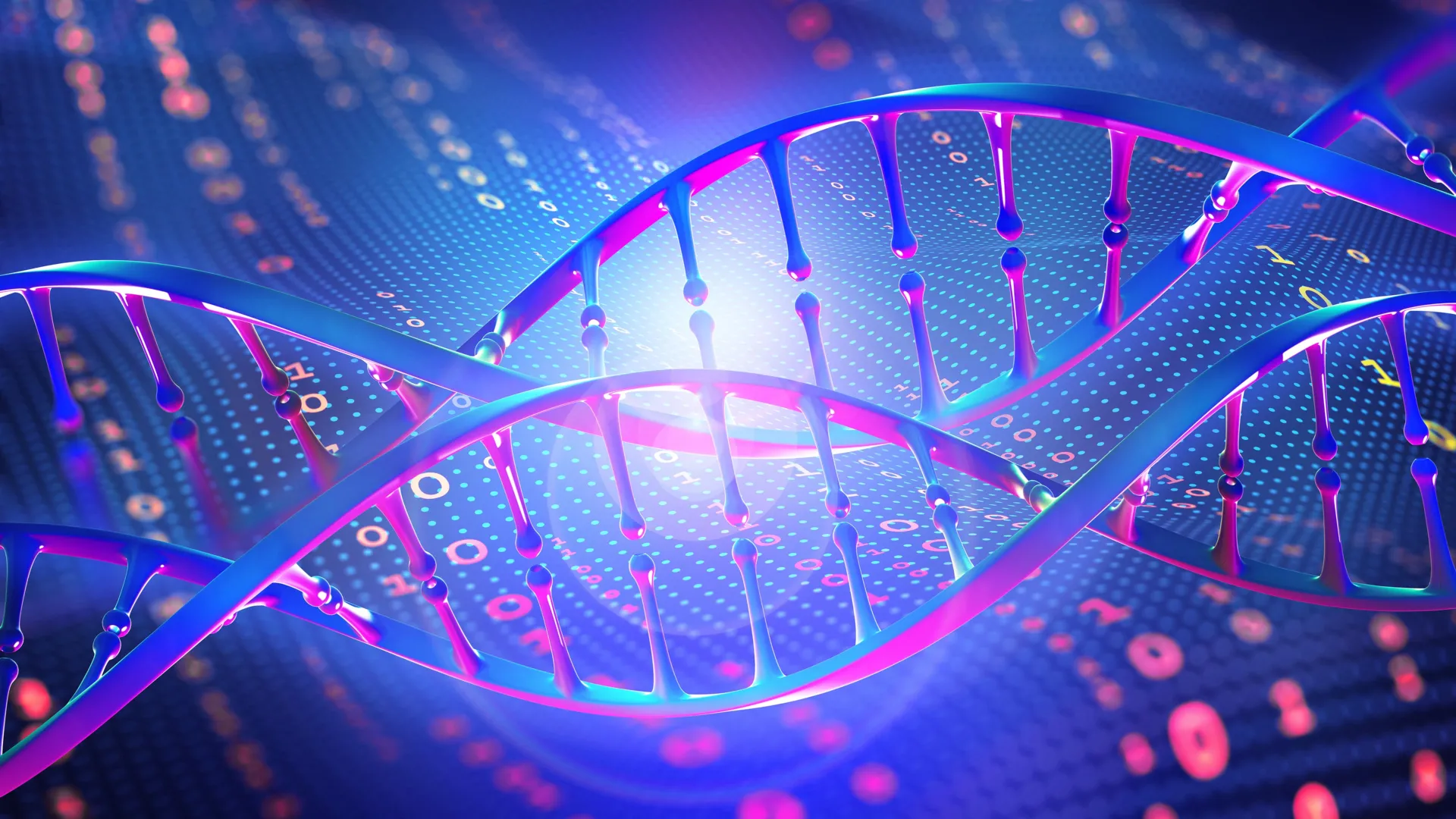
Researchers combined synthetic DNA with a semiconductor to create an ultra-low-power memory device capable of storing and processing information in the same place. The bio-hybrid technology could eventually help make AI systems and next-generation computers far more energy efficient.
Overview
Researchers combined synthetic DNA with a semiconductor to create an ultra-low-power memory device capable of storing and processing information in the same place. The bio-hybrid technology could eventually help make AI systems and next-generation computers far more energy efficient.
Source
Originally published at www.sciencedaily.com.
Related Articles
Source: https://www.sciencedaily.com/releases/2026/08/260816044853.htm
Reporting standard: Product specifications, deployment counts, and performance claims are attributed to their source. Safety-critical decisions should be based on the applicable technical documentation and validation for the operating environment.